
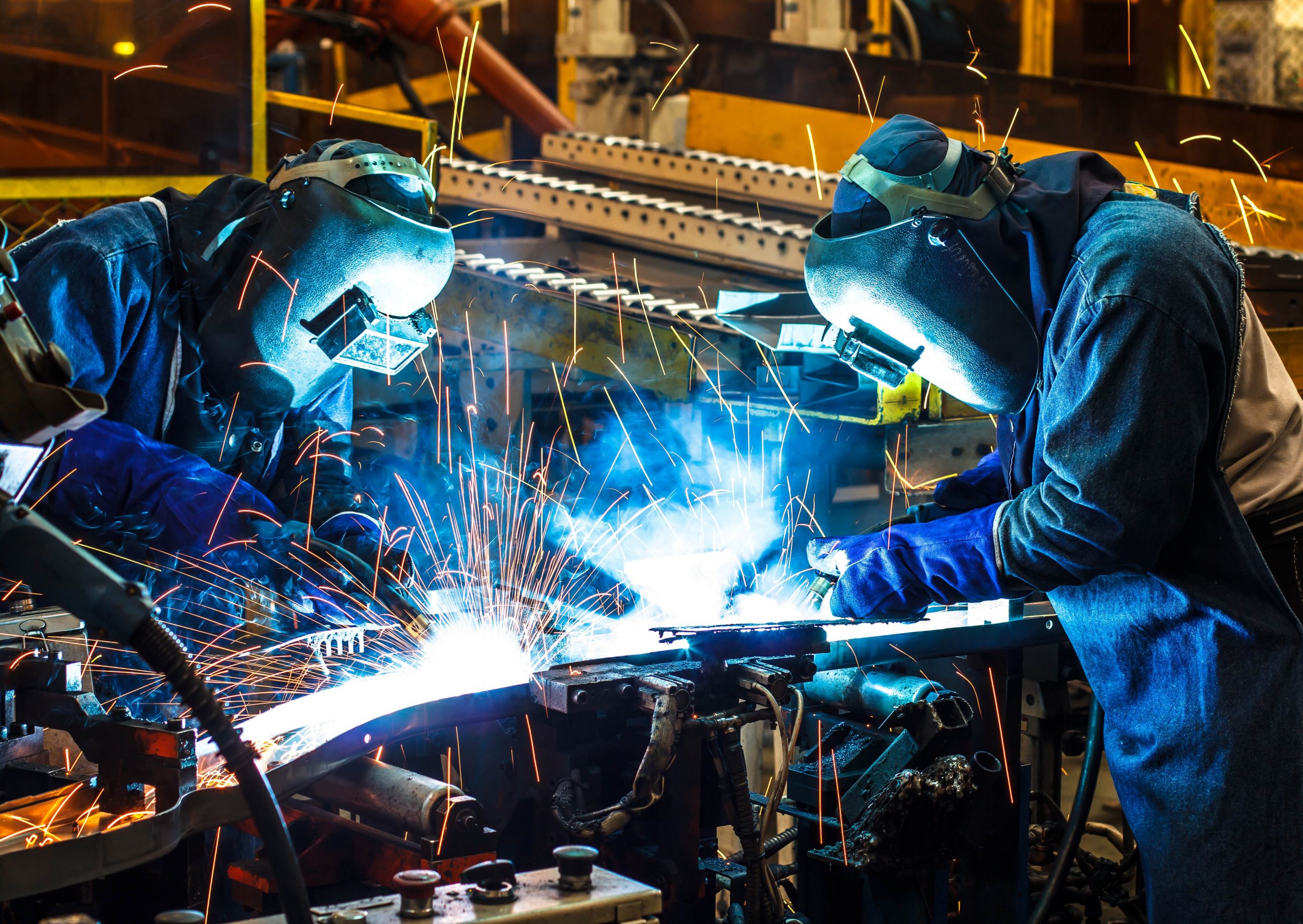
Pipelines, rigs, and refineries may symbolize the power of the Oil & Gas industry, but the true strength lies in the welds that hold them together. Every joint is a silent guardian of safety, efficiency, and reliability. In projects that span continents and climates, ensuring weld compatibility across diverse steels and alloys remains one of the most critical challenges for engineers and operators.
A simplified approach to grouping metallic materials is reshaping this process. By categorizing steels and alloys into clear families, teams can streamline qualification, reduce duplication, and ensure weld compatibility without compromising safety. The outcome is stronger joints, faster project delivery, and infrastructure built to withstand extreme conditions.
This clarity matters most in high‑stakes environments. Offshore platforms, refineries, and long‑distance pipelines depend on weld integrity to safeguard operations and minimize costly downtime. Simplified grouping provides engineers, inspectors, and managers with a common language, reducing uncertainty and strengthening compliance across borders.
The benefits are already visible in regions investing heavily in energy resilience. In the Middle East, for example, mega‑refineries and new pipeline corridors demand precision and speed. By adopting streamlined material grouping, project teams reduce delays, improve coordination, and build confidence that every weld meets the same high bar of reliability.
Ultimately, simplifying welding material grouping is more than technical progress—it is strategic assurance. It equips Oil & Gas operators worldwide to build infrastructure that is ready for the future.
Build with clarity. Build with confidence. Partner with BSB Edge to access resources that keep your Oil & Gas projects safe, efficient, and globally aligned.




Leave a Reply