
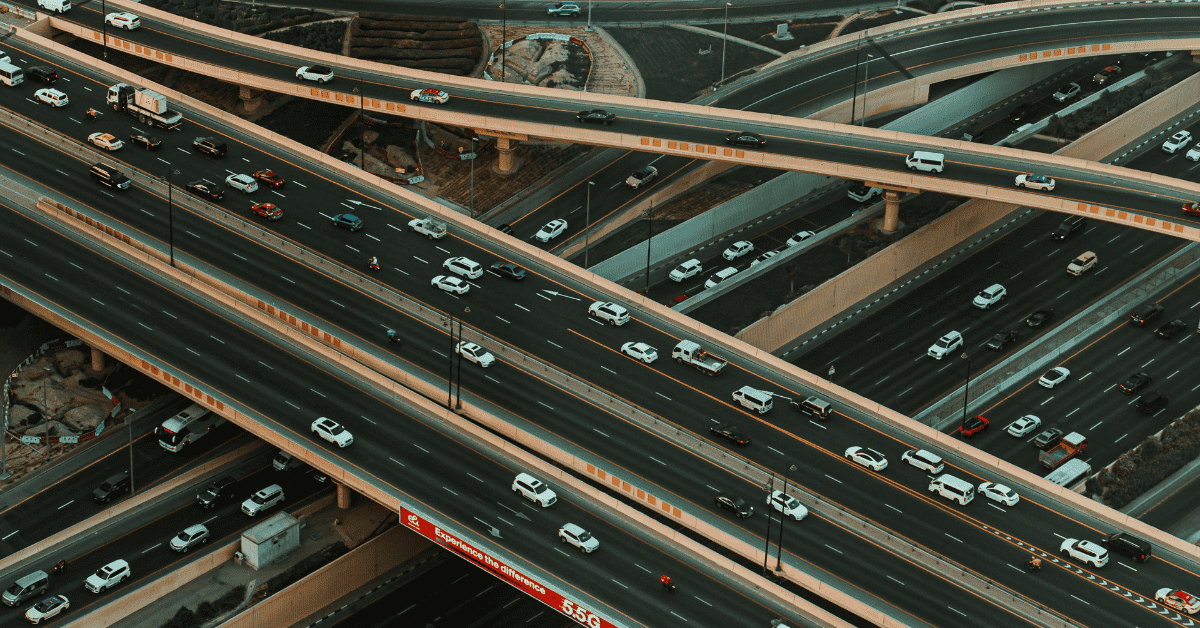
Standards Save Lives
Roads are the arteries of modern economies, but they also remain one of the deadliest environments. According to the World Health Organization’s Global Status Report on Road Safety (2023), road traffic deaths stand at 1.19 million per year worldwide. Despite progress, the UN Decade of Action for Road Safety (2021–2030) warns that urgent action is needed to halve deaths and injuries by 2030.
The International Road Federation (IRF) reports that millions more suffer injuries annually, with pedestrians, cyclists, and motorcyclists disproportionately affected. These numbers highlight a sobering truth: infrastructure and mobility must be designed with safety at their core.
Standards are not just technical documents. They are the life-saving frameworks. They guide how roads are built, vehicles are designed, and traffic systems are managed.
A range of international and industry standards play a pivotal role in shaping safer infrastructure and mobility systems.
- ISO 39001 (Road Traffic Safety Management Systems): Provides a framework for organisations to reduce road traffic deaths and serious injuries.
- ASTM E1926 (Standard Practice for Computing International Roughness Index of Roads): Measures road surface conditions to improve prevention strategies.
- IEC 61508 (Functional Safety of Electrical/Electronic Systems): Governs safety of traffic control systems, signaling, and smart infrastructure.
- SAE J3016 (Driving Automation Levels): Defines standards for autonomous vehicle safety and integration into road networks.
- NEMA TS 2 (Traffic Controller Assemblies): Ensures reliability of traffic signal controllers critical for urban safety.
- AWWA D100 (Welded Carbon Steel Tanks for Water Storage): Indirectly supports road safety by ensuring reliable roadside water infrastructure for firefighting and emergencies.
Standards play a critical role in:
- Reducing Fatalities: Safer road design, barriers, and traffic systems directly cut accident rates.
- Protecting Vulnerable Users: Standards address pedestrian crossings, cycling lanes, and urban mobility.
- Enabling Innovation: Autonomous vehicles and smart traffic systems rely on globally harmonized standards.
- Building Trust: Internationally recognized frameworks ensure infrastructure projects meet safety benchmarks.
- Sustainability: Standards embed resilience and environmental considerations into road and transport systems.
Road safety is not just about reducing accidents. It is about safeguarding lives, enabling mobility, and building trust in infrastructure. Standards provide the backbone for safer roads, smarter vehicles, and sustainable transport systems.
Whether you are designing highways, deploying smart traffic systems, or integrating autonomous vehicles, we help you access the frameworks that matter most.
Partner with BSB Edge to strengthen road safety and infrastructure. Because every standard adopted is a life protected.





Leave a Reply