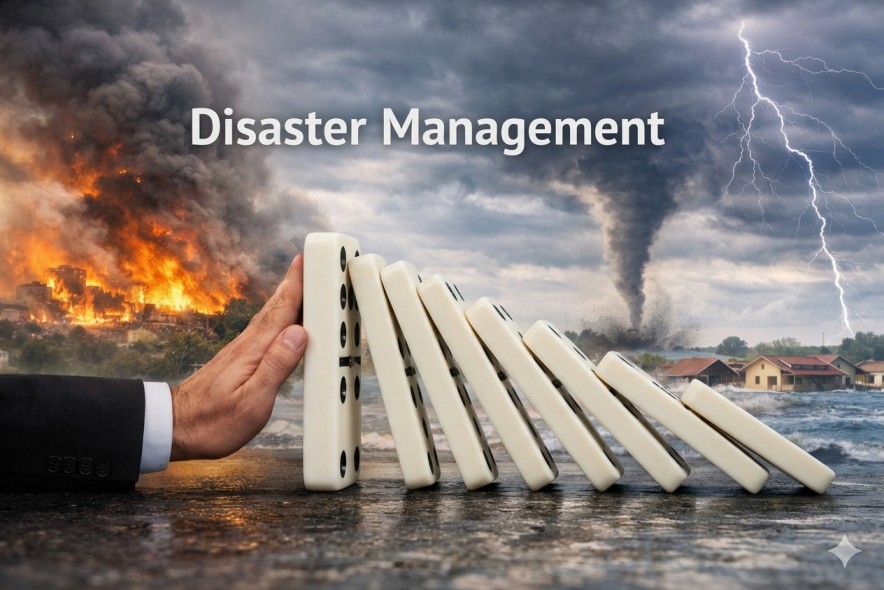
The Role of Standards in Disaster Management
Disasters remind us of nature’s unpredictability and the fragility of human systems. The recent tragedy in Nepal underscores how quickly lives, infrastructure, and economies can be disrupted. While no standard can prevent disasters, preparedness through structured frameworks can significantly reduce their impact and accelerate recovery.
Why Standards Matter in Disaster Management
Disaster management is not just about emergency response—it is about building resilience before, during, and after crises. Standards provide organizations, governments, and communities with tested frameworks that ensure consistency, coordination, and trust.
Standards That Strengthen Preparedness
Across the world, leading Standards Development Organizations (SDOs) have created frameworks that directly support disaster management:
- Risk & Continuity Management
- ISO 22301 (Business Continuity Management Systems)
- ISO 22320 (Emergency Management)
- ISO 31000 (Risk Management)
- AFNOR and DIN risk management frameworks
- BSI and CSA continuity guidelines
- Structural & Infrastructure Resilience
- ACI and fib standards for earthquake-resistant concrete structures
- ASTM standards for building materials and protective equipment
- ASME boiler and pressure vessel codes to prevent industrial accidents
- AWWA standards ensuring safe water supply during emergencies
- NBBI codes for inspection and safety of pressure systems
- Environmental & Climate Preparedness
- ISO 14001 (Environmental Management)
- ISO 14090 (Climate Adaptation)
- UL fire safety and electrical-protection standards
- IEEE standards for resilient power and communication systems
- Sector-Specific Safety & Performance
- API and AMPP standards for oil, gas, and materials protection in hazardous conditions
- ASHRAE standards for safe HVAC operations during emergencies
- SAE and AIAG standards for automotive safety and supply chain resilience
- ASM International and ASNT standards for materials reliability and non-destructive testing
Organizations that adopt disaster management standards are not only protecting lives and assets, they are safeguarding reputation, customer trust, and long-term sustainability. Standards ensure that when disaster strikes, responses are swift, coordinated, and effective.
We believe resilience is built before the crisis. By adopting disaster management standards, organizations can move from reactive response to proactive preparedness.
Stay resilient. Stay prepared.
Explore smarter standards access with BSB Edge: www.bsbedge.com
Authored by Farrah Ahmad
Head – Content Management
BSB Edge Pvt. Ltd.