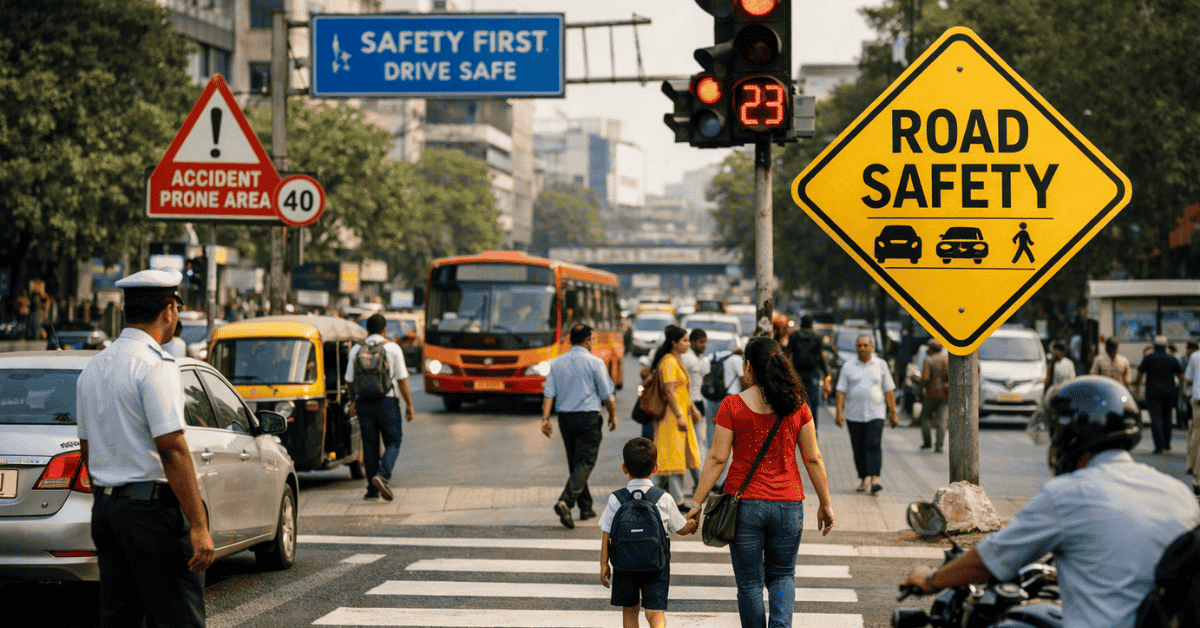
Every year, road crashes claim 1.19 million lives worldwide, making them one of the leading causes of death across age groups. In India, the crisis is even more stark: over 170,000 people die annually on the roads, with speeding alone accounting for nearly 70% of fatalities. These are not just numbers—they represent families torn apart, communities disrupted, and economies burdened. The World Bank estimates that road traffic injuries cost countries up to 3% of their GDP, draining resources that could otherwise fuel development.
The Global Call for Safer Roads
Road safety is no longer a matter of awareness campaigns alone. It requires structured systems, measurable accountability, and international cooperation. The United Nations Decade of Action for Road Safety (2021–2030) has set a bold target: halve global road traffic deaths and injuries by 2030. Achieving this goal demands more than policy—it demands standards.
A range of international and national standards provide the frameworks to reduce risks and save lives:
- ISO 39001: Road Traffic Safety (RTS) Management Systems, a cornerstone standard that helps organisations systematically reduce fatalities and serious injuries.
- ISO/SAE 21434: Road Vehicle Cybersecurity Engineering, ensures modern vehicles remain safe from cyber threats that could compromise road safety.
- ASTM Standards provide testing methods for vehicle materials, crashworthiness, and road construction safety.
- SAE Standards define performance benchmarks for vehicle safety systems, including braking, lighting, and autonomous driving technologies.
- BIS Standards (India) establish national requirements for helmets, seatbelts, and vehicle construction, critical for reducing fatalities in India’s high-risk traffic environment.
Together, these standards form a global ecosystem of safety, ensuring that vehicles, infrastructure, and management systems work in harmony to protect lives.
India’s Imperative
India’s Motor Vehicles Amendment Act (2019) was a step forward, but enforcement gaps remain. Road safety audits, child restraint systems, and scientific speed management must become non-negotiable. Integrating ISO 39001 and BIS standards into national and corporate strategies can help India move from fragmented compliance to measurable impact.
BSB Edge provides access to ISO, ASTM, SAE, and BIS standards, enabling organisations to build systems that deliver measurable reductions in fatalities. By anchoring road safety in internationally recognised standards, businesses and governments can save lives, strengthen trust, and prepare for a future-ready mobility ecosystem.
Driving toward zero fatalities is possible. Connect with us today to access road safety standards that make a measurable difference.